The Foundation of Clear Communication
The ability to communicate clearly stands as one of humanity’s most remarkable achievements, yet many individuals find themselves struggling with speech clarity due to missing teeth. The intricate relationship between dental health and articulate speech often goes unnoticed until tooth loss creates unexpected communication challenges. Modern dentistry has revolutionised the approach to addressing these concerns, with dental implants Brentwood emerging as a transformative solution that extends far beyond mere aesthetics.
When teeth go missing, the consequences ripple through various aspects of daily life, with speech patterns bearing the brunt of these changes. The tongue relies heavily on teeth as reference points for proper pronunciation, particularly when forming certain consonants and vowel sounds. Without these crucial anchoring points, individuals may develop compensatory speech patterns that can affect their confidence and professional interactions.
Understanding the Mechanics of Speech Production
Speech production represents a sophisticated orchestration of multiple anatomical components working in perfect harmony. The teeth serve as essential landmarks that guide tongue placement during articulation, whilst the jaw structure provides the necessary support for optimal vocal resonance. When this delicate balance becomes disrupted through tooth loss, the entire system must adapt, often resulting in less-than-ideal outcomes.
The Role of Teeth in Articulation
Different sounds require precise positioning of the tongue against various surfaces within the mouth. Fricative sounds such as ‘f’, ‘v’, ‘s’, and ‘th’ depend heavily on the interaction between the tongue and teeth. When natural teeth are absent, these sounds become challenging to produce accurately, leading to potential misunderstandings in both personal and professional communications.
The positioning of teeth also influences the airflow patterns necessary for clear speech. Missing teeth create gaps that allow air to escape unexpectedly, resulting in whistling sounds or unclear pronunciation that can significantly impact an individual’s confidence when speaking in public or professional settings.
How Dental Implants Transform Communication
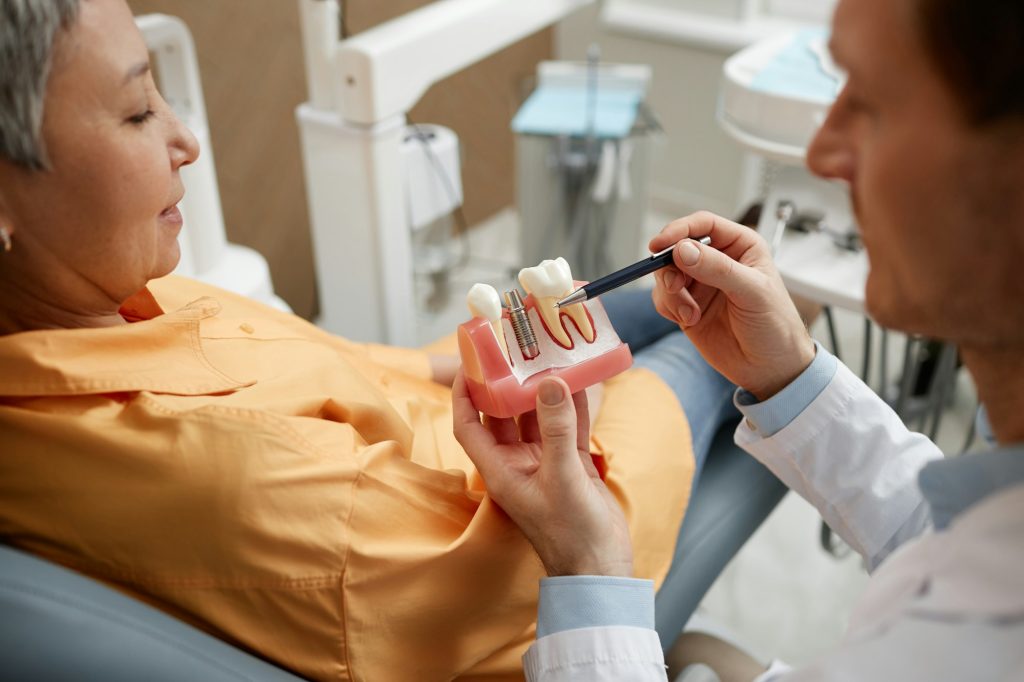
Modern dental implants represent a remarkable advancement in restorative dentistry, offering solutions that closely mimic natural tooth structure and function. Unlike traditional dentures that may shift or create bulky sensations, implants provide stable, permanent replacements that allow for natural tongue movement and proper speech patterns.
The integration process of dental implants with the jawbone creates a solid foundation that supports normal speech mechanics. This stability enables individuals to regain their natural speaking patterns without the concerns associated with loose-fitting prosthetics. Research demonstrates significant improvements in speech clarity following successful implant placement and integration.
The Psychological Benefits of Restored Speech
Beyond the mechanical improvements to articulation, dental implants provide substantial psychological benefits that enhance overall communication effectiveness. Individuals who have experienced speech difficulties due to missing teeth often develop social anxiety or avoid speaking situations altogether. The restoration of clear speech through implant therapy frequently leads to increased self-assurance and willingness to engage in conversations.
Professional environments particularly benefit from this renewed confidence. Clear articulation becomes crucial during presentations, meetings, and client interactions, where miscommunication can have significant consequences. The permanent nature of implant solutions eliminates concerns about prosthetic movement or unexpected speech impediments during important conversations.
Comparing Treatment Options for Speech Restoration
Traditional dentures, whilst providing functional tooth replacement, often fall short when addressing speech clarity concerns. The bulky design required for retention can interfere with natural tongue movement, whilst the potential for movement during speaking creates ongoing anxiety for many users. Studies examining speech outcomes with various prosthetic options consistently demonstrate superior results with implant-supported solutions.
Partial dentures present their own unique challenges, particularly when they affect the palatal area where many speech sounds are formed. The hardware required for retention can create additional obstacles for clear pronunciation, whilst the adaptation period often extends significantly longer than with implant solutions.
Long-term Communication Benefits
The permanence of dental implants provides ongoing advantages that extend throughout an individual’s lifetime. Unlike removable prosthetics that may require adjustments or replacements that temporarily affect speech patterns, implants maintain consistent performance once fully integrated. This reliability proves particularly valuable for individuals whose careers depend heavily on clear communication.
Professional speakers, educators, and customer service representatives often find that dental implants significantly enhance their career prospects by eliminating speech-related concerns that may have previously limited their professional growth.
Transforming Lives Through Enhanced Communication
The impact of dental implants on speech clarity extends far beyond simple pronunciation improvements. These advanced restorative solutions provide individuals with the confidence to engage fully in social and professional interactions without the constant worry about speech impediments. The permanent, stable nature of implants ensures that communication remains clear and natural throughout daily activities.
For those considering treatment options to address speech difficulties related to missing teeth, dental implants represent a comprehensive solution that addresses both functional and psychological aspects of communication challenges, ultimately transforming the quality of interpersonal interactions.